Imagine the scene: you’re standing in the store, a basket of gourmet goodies in hand, ready to surprise a friend or colleague. The hamper looks perfect—rich chocolates, aromatic teas, Victoria hampers and a touch of artisanal cheese. But a quick glance at the packaging reveals a potential hazard: a hidden nut allergy. Suddenly, the gift that was meant to delight feels like a ticking time bomb. How to handle gift hamper items that cause allergic reactions? This guide will walk you through the steps to choose, package, and present allergy‑friendly hampers that keep the smiles coming, not the sniffles.
Understanding the Allergy Landscape
What Makes an Item Allergenic?
Allergens can be sneaky. Some foods contain trace amounts of nuts or shellfish that aren’t obvious on the label. Others might carry cross‑contamination warnings. Knowing the difference between a true allergen and a cross‑contamination risk is the first step in safe gifting.
- Primary allergens: nuts, shellfish, dairy, gluten, eggs, soy, fish. Secondary risks: cross‑contamination during processing or packaging.
Why Allergies Matter in Gift Hampers
People with allergies often feel like they’re walking on a minefield—one wrong bite can trigger a severe reaction. When you send a hamper, you’re essentially handing someone a map of potential landmines. A thoughtful, allergy‑aware gift shows respect and consideration, turning a simple gesture into a memorable act of kindness.

Selecting Allergy‑Safe Items
Look for “Nut‑Free” and “Allergen‑Free” Labels
When shopping, keep an eye out for items that explicitly state they’re free from the major allergens. A label that reads “Nut‑Free” or “Free of 8 Major Allergens” is a good starting point. But remember, not all labels are created equal.
> “The safest gifts are those that speak directly to the recipient’s needs.” – Anonymous Gift Guru
Verify Packaging Claims
Sometimes a product’s packaging claims “no nuts,” yet the production line shares equipment with nut products. To avoid surprises:
- Read the fine print: Look for phrases like “produced in a facility that also processes nuts” or “may contain traces of nuts.” Check the company’s allergen policy: Many brands now publish detailed allergen information on their websites.
Consider Fresh vs. Packaged
Fresh items like fruit or homemade pastries can be riskier if the baker uses shared equipment. Packaged, sealed items often provide better control. If you opt for fresh, choose local producers who can guarantee allergen‑free handling.
Packing with Care
Use Clear, Re‑Sealable Containers
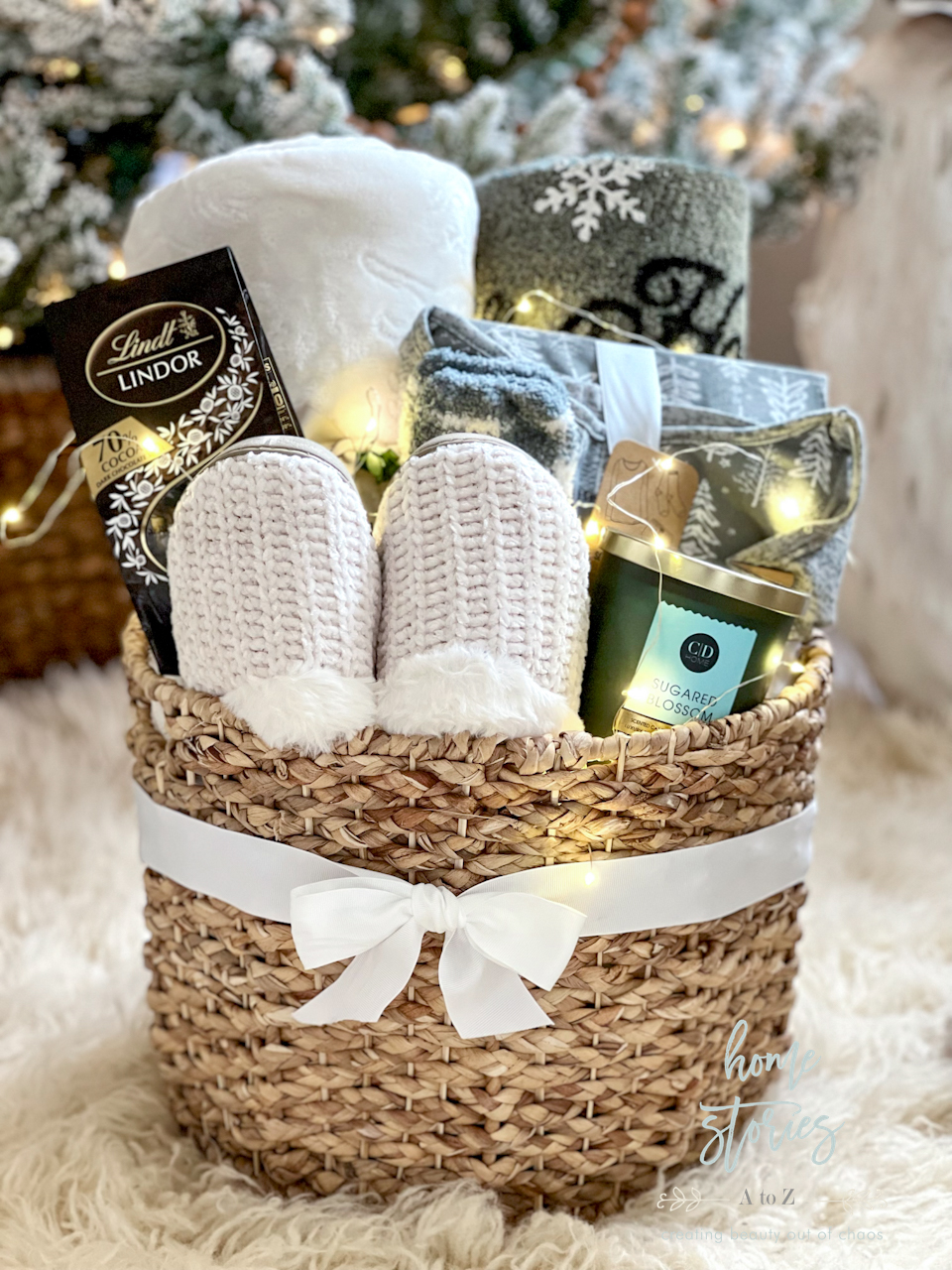
When assembling the hamper, use clear, resealable bags or containers. This allows the recipient to see each item’s contents at a glance and reduces the chance of accidental consumption of an allergen‑laden snack.
- Clear plastic bags: Easy to label and inspect. Reusable silicone containers: Eco‑friendly and seal tightly.
Label Each Item
A simple label can be a lifesaver. Write the item’s name and any allergen information in large, legible letters. If the item is truly allergen‑free, a green checkmark can add a touch of confidence.
Add a Personal Note
Include a note that says something like, “I’ve taken care to ensure this hamper is safe for your allergies. Enjoy!” This reassures the recipient and shows your thoughtfulness.
Communicating with the Recipient
Ask, Don’t Assume
The best way to avoid mishaps is to ask the recipient about their specific allergies. A quick text or call can clarify whether they need a completely nut‑free hamper or can tolerate certain allergens.
> “Ask questions before you gift; it’s the best way to avoid a ‘sour’ surprise.” – Gift Etiquette Expert
Offer a “Safety Card”
Alongside the hamper, include a small card that lists the allergens present in each item. This gives the recipient a quick reference and keeps them in control.
Handling Unexpected Reactions
Have an Action Plan Ready
If a reaction occurs, it’s essential to act quickly. Keep a list of emergency contacts, such as the recipient’s doctor or nearest hospital. If the recipient has an epinephrine auto‑injector, remind them to use it immediately.
Apologize and Offer Support
A sincere apology can go a long way. Offer to replace the item or provide a refund if the hamper was purchased online. Showing that you care about their well‑being reinforces trust.
Tips for the Gift Giver
- Do your research: Check allergen information before buying. Use reputable brands: They’re more likely to follow strict allergen protocols. Keep it simple: A smaller, carefully curated hamper often feels more personal than a large, generic one.
Rhetorical Questions to Keep in Mind
- “Can a gift be both indulgent and safe?” “Isn’t the best gift one that shows you truly care?” “What if your hamper could be the first step toward a healthier lifestyle?”
Making Your Selection Count
Choosing the right hamper is like picking a song for a playlist: it should resonate with the listener while staying true https://spencerutld756.cavandoragh.org/buy-gift-hamper-for-freelancer-gift-a-thoughtful-way-to-say-thank-you to their preferences. When you handle gift hamper items that cause allergic reactions with care, you’re not just avoiding a health scare—you’re building a bridge of trust and thoughtfulness.
If you’re ready to elevate your gifting game, start by exploring allergy‑friendly options from trusted suppliers. Remember, a little extra effort goes a long way in turning a simple gift into a cherished memory. Happy gifting!