When you think of a pamper hamper, you probably picture a neatly arranged basket of wipes, creams, and a few plush toys. In Australia, however, a growing number of these hampers are made from recycled materials, and the question keeps popping up: why do Australian pamper hampers use recycled materials? The answer is a blend of environmental responsibility, economic sense, and a dash of Aussie ingenuity. Let’s unpack the reasons, the processes, and the impact—while sprinkling in a little humor and a heartfelt anecdote.
The Growing Eco‑Trend in Aussie Parenting
Australia is no stranger to environmental activism. From the Great Barrier Reef conservation campaigns to the “Zero Waste” movement, parents are increasingly mindful of the planet they’re leaving for their children. Pamper hampers, once seen as a one‑off luxury, are now being reimagined as eco‑friendly essentials.
A Mother’s Mission
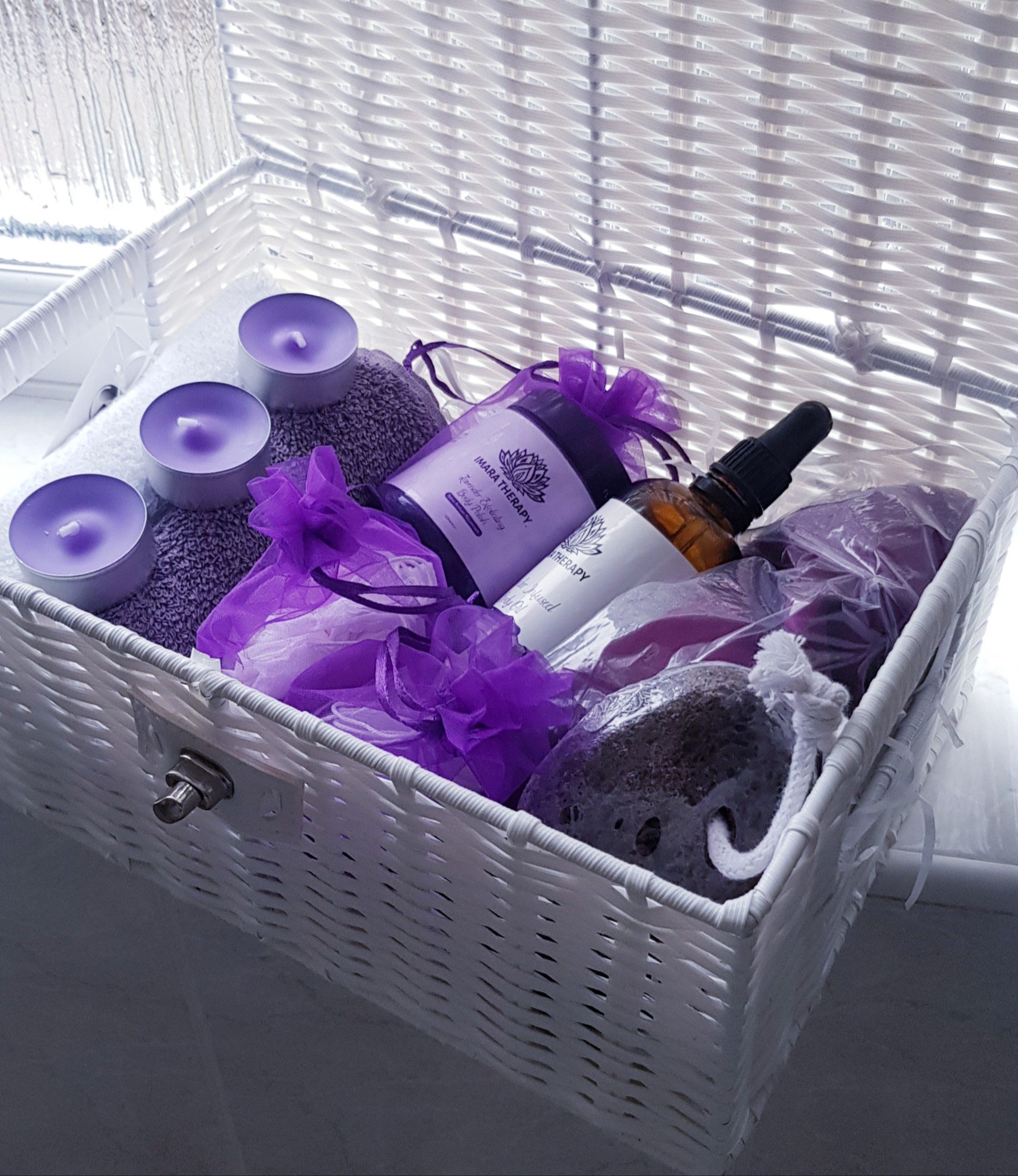
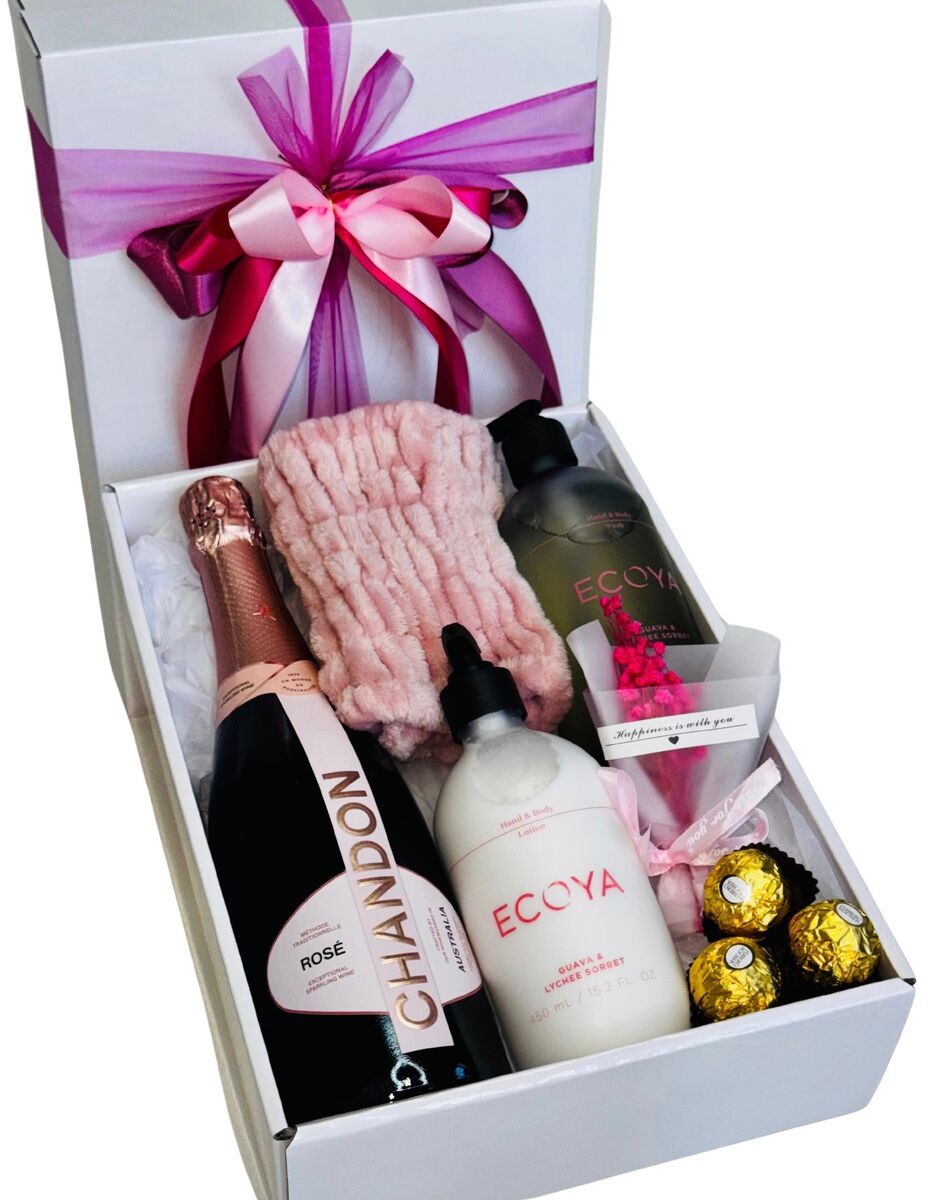
Take the story of Emma, a Melbourne mum Women's pamper hampers who, after a surprise inspection of her baby’s nursery, decided to ditch Aromatherapy hampers the plastic‑laden hamper she’d bought years ago. She swapped it for a recycled‑material version and was so impressed that she started a blog titled “Eco‑Mum Diaries.” Emma’s anecdote shows that the shift isn’t just corporate; it’s a grassroots movement fueled by everyday parents who want to make a difference.
The Role of Recycled Materials
Recycled materials—such as post‑consumer cardboard, reclaimed wood, and upcycled textiles—play a pivotal role. They reduce the need for virgin resources, lower carbon emissions, and give new life to items that would otherwise end up in landfills. The question then becomes: how do these materials make their way into a pamper hamper?
What Makes a Pamper Hamper “Recycled”?
Not all recycled items are created equal. Understanding the components helps explain why Australian brands champion these materials.
Types of Recycled Materials
- Post‑consumer cardboard: Often sourced from packaging, it’s lightweight yet sturdy. Reclaimed wood: Sourced from old furniture or construction waste, giving each hamper a rustic charm. Upcycled textiles: Fabrics from discarded clothing or linens are turned into soft lining or decorative elements. Recycled plastic: Melted and molded into structural parts, such as handles or internal dividers.
Quality Standards and Safety
Safety is paramount. Australian regulations require that all materials in baby products meet strict standards for non‑toxicity and durability. Recycled components are often treated with eco‑friendly finishes, ensuring they’re as safe as their conventional counterparts.
Why Australian Parents Prefer Recycled Hampers
The preference isn’t merely a trend; it’s rooted in tangible benefits that resonate with parents across the nation.
Environmental Impact
- Carbon footprint reduction: Using recycled materials cuts down on energy consumption by up to 50%. Waste diversion: Each hamper diverts several kilograms of waste from landfills. Resource conservation: Less demand for virgin timber and plastics preserves ecosystems.
Cost‑Effectiveness
Recycled materials can be cheaper than virgin alternatives, and the savings often pass through to consumers. Parents get a high‑quality hamper at a more affordable price—an attractive proposition for budget‑conscious families.
Brand Storytelling
Brands that champion recycled hampers weave a compelling narrative. “We’re not just selling a hamper; we’re nurturing a future,” says one Australian manufacturer. This storytelling taps into the modern parent’s desire to align purchases with values.
The Business Side: How Companies Source and Process
Behind every recycled hamper is a complex supply chain that ensures sustainability without compromising quality.
Supply Chain Transparency
Companies are increasingly publishing supply chain maps, showing where materials come from and how they’re processed. Transparency builds trust and encourages repeat business.
Partnerships with Recycling Facilities
Collaborations with local recycling centers help secure a steady supply of high‑grade recycled inputs. These partnerships also support local economies and create jobs—another reason why Aussie parents feel good about their choice.
A Light‑Hearted Look at the Packaging
Even the packaging of these hampers is designed with the planet in mind. Imagine a hamper that’s as eco‑friendly as it is functional—no plastic wrappers, just a biodegradable paper sleeve that doubles as a gift tag.
The “Eco‑Chic” Design
Designers often use natural dyes and minimalist aesthetics to keep the focus on the hamper’s eco‑credentials. The result? A product that looks as good as it feels, making it a perfect gift for new parents who appreciate both style and substance.
Making Your Selection Count
Choosing a pamper hamper is more than a shopping decision; it’s a statement. When you pick a recycled‑material hamper, you’re saying, “I care about my child’s future and the planet’s well‑being.”
- Check certifications: Look for Australian Made, Eco‑Label, or similar stamps. Ask about sourcing: A brand that’s open about its supply chain is likely trustworthy. Consider the lifespan: A well‑made hamper can be reused for multiple babies or repurposed as a storage basket.
Remember the quote from environmentalist Jane Goodall: “What you do makes a difference, and you have to decide what kind of difference.” By opting for recycled materials, you’re making a positive difference—one hamper at a time.
In the end, the answer to why Australian pamper hampers use recycled materials is simple: they’re a practical, ethical, and stylish choice that aligns with the values of modern parents. So next time you’re on the hunt for a new hamper, think of the journey from discarded cardboard to a beautiful, eco‑friendly gift. Your baby—and the planet—will thank you.